
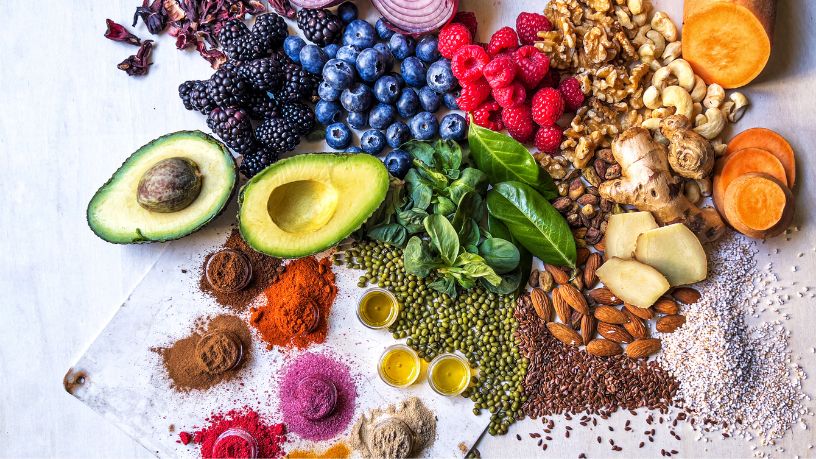
Introduction
Recovery is an essential part of maintaining long-term health and physical performance. Whether someone is recovering from exercise, stress, illness, poor sleep, or the demands of daily life, the body constantly works to repair tissues, regulate immune responses, and restore balance. One of the most important factors influencing recovery is inflammation.
Inflammation is a natural biological response that helps the body heal after injury or infection. However, chronic inflammation can place ongoing stress on the body and contribute to fatigue, joint pain, digestive issues, heart disease, diabetes, and other chronic conditions.
Diet plays a major role in either supporting or worsening inflammation. Certain foods contain nutrients and compounds that help calm inflammatory processes and promote recovery at the cellular level. Including anti-inflammatory foods in daily meals can improve energy, support immune function, reduce muscle soreness, and contribute to overall wellness.
Understanding Inflammation and Recovery
Inflammation is part of the body’s defense system. Acute inflammation occurs temporarily after injury, intense exercise, or infection. This short-term response is beneficial because it supports healing.
Chronic inflammation is different. It develops when the immune system remains activated for long periods, often due to poor diet, stress, lack of exercise, obesity, smoking, or inadequate sleep.
Persistent inflammation may contribute to:
- Joint discomfort
- Slower recovery after exercise
- Muscle soreness
- Digestive problems
- Fatigue
- Increased risk of chronic disease
- Reduced immune function
Anti-inflammatory foods help regulate these processes by supplying antioxidants, healthy fats, vitamins, minerals, and plant compounds that support tissue repair and cellular recovery.
Fatty Fish and Omega 3 Fatty Acids
Fatty fish are among the most powerful anti-inflammatory foods available. They contain omega 3 fatty acids, which help reduce inflammatory markers in the body.
Best Fatty Fish for Recovery
- Salmon
- Sardines
- Mackerel
- Trout
- Herring
- Tuna
Omega 3 fats support heart health, brain function, joint mobility, and muscle recovery. Athletes and physically active individuals often benefit from regular omega 3 intake because these fats may reduce exercise-related inflammation and soreness.
Salmon also provides high-quality protein, which supports muscle repair and tissue regeneration.
Berries Rich in Antioxidants
Berries are loaded with antioxidants called anthocyanins, which help protect cells from oxidative stress and inflammation.
Highly Beneficial Berries
- Blueberries
- Strawberries
- Blackberries
- Raspberries
- Cranberries
These fruits contain vitamin C, fiber, and polyphenols that support immune function and recovery.
Oxidative stress increases after physical exertion, illness, and environmental exposure. The antioxidants in berries help neutralize harmful free radicals that can damage cells and slow recovery.
Adding berries to breakfast, smoothies, yogurt, or snacks is an easy way to increase anti-inflammatory nutrients.
Leafy Green Vegetables
Leafy greens provide vitamins, minerals, and plant compounds that support cellular repair and reduce inflammation.
Top Leafy Greens for Recovery
- Spinach
- Kale
- Swiss chard
- Arugula
- Collard greens
These vegetables contain:
- Vitamin K
- Vitamin C
- Magnesium
- Folate
- Beta carotene
- Polyphenols
Magnesium is especially important for muscle recovery, sleep quality, and nerve function. Many adults do not consume enough magnesium, which can contribute to fatigue and muscle tension.
Leafy greens also support circulation and hydration because of their high water and mineral content.
Turmeric and Curcumin
Turmeric has been used for centuries in traditional medicine due to its anti-inflammatory properties.
The active compound in turmeric, curcumin, helps regulate inflammatory pathways in the body.
Potential Benefits of Turmeric
- Reduced joint discomfort
- Improved muscle recovery
- Support for immune function
- Lower oxidative stress
- Enhanced mobility
Curcumin is absorbed more effectively when combined with black pepper, which contains piperine.
Turmeric can be added to soups, rice dishes, smoothies, roasted vegetables, or tea.
Nuts and Seeds
Nuts and seeds provide healthy fats, protein, fiber, and minerals that support recovery.
Anti-Inflammatory Nuts and Seeds
- Walnuts
- Almonds
- Chia seeds
- Flaxseeds
- Pumpkin seeds
- Hemp seeds
Walnuts and flaxseeds are particularly rich in omega 3 fatty acids.
Nuts also contain vitamin E, which acts as an antioxidant that protects cells from inflammation-related damage.
Including moderate portions of nuts and seeds in daily meals may help stabilize blood sugar levels and support sustained energy.
Extra Virgin Olive Oil
Extra virgin olive oil is a cornerstone of the Mediterranean diet, which is widely associated with reduced inflammation and improved long-term health.
This oil contains monounsaturated fats and antioxidants known as polyphenols.
Benefits of Olive Oil
- Supports cardiovascular health
- Reduces inflammatory markers
- Promotes healthy cholesterol levels
- Supports recovery from physical stress
Using olive oil in salad dressings, roasted vegetables, and home cooking can improve the nutritional quality of meals.
Avocados and Healthy Fats
Avocados are rich in monounsaturated fats, potassium, magnesium, and fiber.
These nutrients support:
- Muscle function
- Hydration balance
- Joint health
- Heart health
- Recovery after exercise
Potassium is especially important because it helps regulate fluid balance and muscle contractions.
Avocados also contain antioxidants such as lutein and zeaxanthin, which help protect tissues from oxidative damage.
Whole Grains and Fiber
Whole grains provide complex carbohydrates and fiber that help stabilize energy levels and support digestive health.
Beneficial Whole Grains
- Oats
- Brown rice
- Quinoa
- Barley
- Farro
- Whole wheat
Fiber supports a healthy gut microbiome, which plays an important role in regulating inflammation.
A balanced gut microbiome may improve immune function, digestion, and nutrient absorption.
Highly processed carbohydrates and refined sugars, on the other hand, may contribute to inflammation and energy crashes.
Green Tea and Polyphenols
Green tea contains catechins, which are plant compounds with antioxidant and anti-inflammatory effects.
One of the primary catechins in green tea, EGCG, has been studied for its role in supporting cellular recovery and reducing oxidative stress.
Potential Benefits of Green Tea
- Supports metabolic health
- Promotes hydration
- Provides antioxidants
- Helps reduce cellular damage
- Supports brain function
Replacing sugary beverages with green tea may help lower inflammation while improving hydration habits.
Fermented Foods and Gut Health
The digestive system plays a major role in immune function and inflammation regulation.
Fermented foods contain beneficial bacteria known as probiotics that support gut health.
Helpful Fermented Foods
- Yogurt with live cultures
- Kefir
- Kimchi
- Sauerkraut
- Miso
- Tempeh
A healthy gut microbiome may improve digestion, reduce inflammation, and strengthen immune responses.
Digestive imbalance and poor gut health are increasingly linked to chronic inflammation and slower recovery.
Tart Cherries for Muscle Recovery
Tart cherries have become popular among athletes because of their potential to support exercise recovery.
They contain antioxidants and natural compounds that may reduce muscle soreness and exercise-induced inflammation.
Benefits of Tart Cherries
- Reduced post-workout soreness
- Improved sleep quality
- Support for recovery after intense training
- Reduced oxidative stress
Tart cherry juice is commonly consumed after workouts or before bedtime.
Garlic and Onion Compounds
Garlic and onions contain sulfur compounds that support immune health and inflammatory regulation.
Garlic contains allicin, a compound associated with anti-inflammatory and antimicrobial properties.
Potential Benefits
- Immune system support
- Cardiovascular support
- Reduced inflammation
- Improved circulation
These ingredients are easy to incorporate into soups, sauces, roasted vegetables, and protein dishes.
Beans and Legumes
Beans and legumes provide plant protein, fiber, antioxidants, and minerals.
Nutritious Legumes for Recovery
- Lentils
- Chickpeas
- Black beans
- Kidney beans
- Pinto beans
The fiber in legumes supports gut health and stable blood sugar levels.
Plant-based protein also contributes to muscle repair and tissue recovery.
Legumes are filling, nutrient-dense, and useful for maintaining balanced energy throughout the day.
Dark Chocolate in Moderation
Dark chocolate with high cocoa content contains flavonoids that help combat oxidative stress.
Choosing Healthier Dark Chocolate
Look for products containing:
- At least 70 percent cocoa
- Minimal added sugar
- Limited artificial ingredients
Moderate consumption may support circulation and antioxidant intake.
However, portion control remains important because excess sugar intake can increase inflammation.
Hydration and Recovery
Although not technically a food, hydration is essential for managing inflammation and supporting recovery.
Water helps transport nutrients, regulate body temperature, and remove waste products from cells.
Dehydration may worsen fatigue, impair recovery, and increase physical stress on the body.
Hydrating Foods
Some foods also contribute to hydration, including:
- Cucumbers
- Watermelon
- Oranges
- Celery
- Lettuce
Electrolytes such as potassium and magnesium further support hydration balance.
Foods That May Increase Inflammation
Just as some foods reduce inflammation, others may contribute to it when consumed excessively.
Foods Commonly Linked to Increased Inflammation
- Sugary beverages
- Highly processed snacks
- Excessive alcohol
- Refined carbohydrates
- Deep-fried foods
- Processed meats
- Excess added sugars
These foods may promote oxidative stress, blood sugar instability, and chronic inflammatory responses.
Reducing intake while increasing whole foods can improve recovery and energy levels.
Building an Anti-Inflammatory Daily Routine
Consistency matters more than perfection. Daily eating habits have a cumulative effect on inflammation and recovery.
Simple Habits That Support Recovery
- Include vegetables at most meals
- Eat protein regularly
- Prioritize healthy fats
- Stay hydrated
- Limit ultra-processed foods
- Consume fiber-rich foods daily
- Get enough sleep
- Manage stress effectively
Combining anti-inflammatory nutrition with exercise, quality sleep, and stress management creates a stronger foundation for overall health.
The Connection Between Sleep and Inflammation
Sleep and inflammation are closely connected.
Poor sleep may increase inflammatory markers and impair recovery from physical and mental stress.
Certain foods may indirectly support better sleep quality, including:
- Tart cherries
- Magnesium-rich greens
- Nuts and seeds
- Herbal teas
Balanced nutrition helps regulate hormones and stabilize energy, which may improve sleep patterns over time.
Why Long-Term Nutrition Matters
Short-term dietary changes may produce temporary improvements, but long-term consistency is what truly supports recovery and health.
The body responds best to sustainable habits rather than restrictive approaches.
An anti-inflammatory eating pattern does not require expensive supplements or extreme diets. Simple whole foods consumed regularly can significantly improve recovery, energy, and resilience.
Over time, these habits may reduce the risk of chronic diseases while supporting physical performance and overall well-being.
Conclusion
Anti-inflammatory foods play an important role in daily recovery by helping regulate immune responses, reduce oxidative stress, and support tissue repair. Foods such as fatty fish, berries, leafy greens, nuts, seeds, olive oil, and fermented foods provide nutrients that help the body recover more effectively from exercise, stress, and everyday demands.
Chronic inflammation can gradually affect energy levels, recovery speed, and long-term health. Building meals around nutrient-dense whole foods while reducing highly processed ingredients creates a strong foundation for better physical and mental wellness.
Daily recovery is not only about rest. Nutrition, hydration, sleep, and consistent healthy habits work together to help the body function efficiently and remain resilient over time.
FAQ
1. What are the best anti-inflammatory foods to eat every day?
Some of the best options include fatty fish, berries, leafy greens, olive oil, nuts, seeds, avocados, and whole grains.
2. How quickly can anti-inflammatory foods improve recovery?
Some people notice improvements in energy and digestion within weeks, while long-term benefits typically develop through consistent healthy eating habits.
3. Are anti-inflammatory diets helpful for joint discomfort?
Yes. Many anti-inflammatory foods contain nutrients and compounds that may help reduce joint stiffness and support mobility.
4. Can exercise increase inflammation?
Intense exercise temporarily increases inflammation as part of the natural recovery process. Proper nutrition helps the body recover efficiently.
5. Is coffee considered inflammatory?
Moderate coffee intake may provide antioxidants for some individuals, although excessive added sugar and creamers can reduce potential benefits.
6. Do anti-inflammatory foods help with fatigue?
Nutrient-dense foods may improve energy levels by supporting blood sugar balance, hydration, sleep quality, and overall recovery.
7. Can children and older adults benefit from anti-inflammatory foods?
Yes. People of all ages can benefit from balanced diets rich in fruits, vegetables, healthy fats, fiber, and lean proteins.

