
Introduction
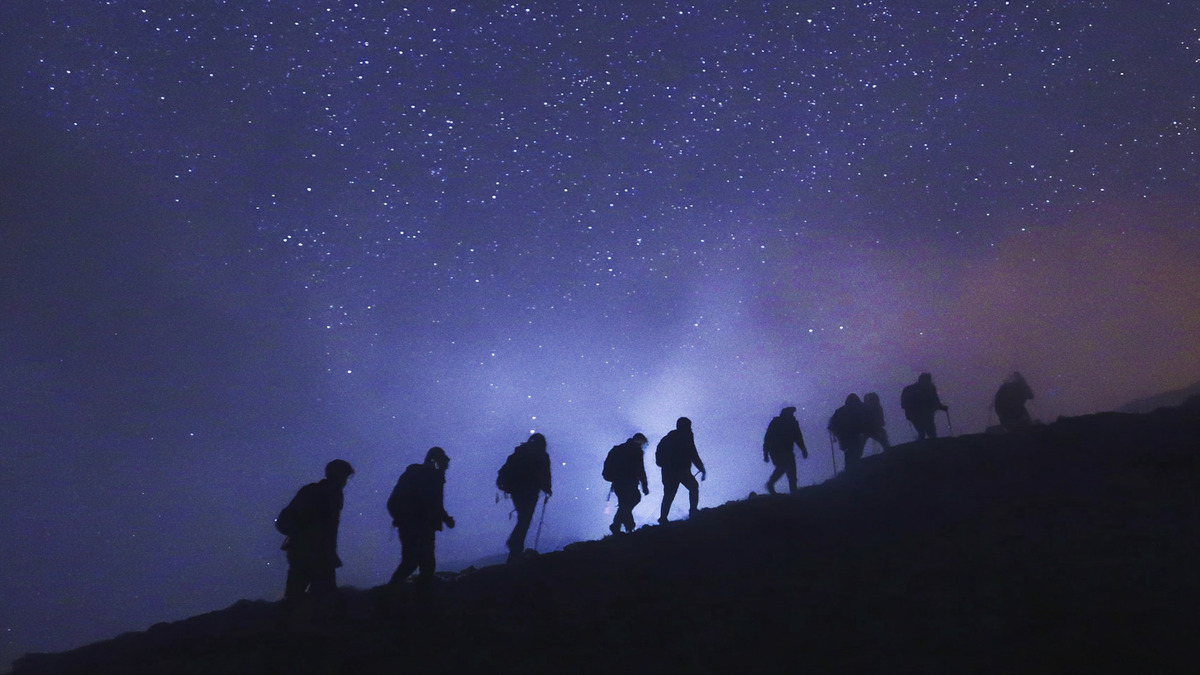
Night trekking offers a completely different experience from daytime hiking. Once the sun disappears behind the mountains and the world grows quiet, familiar trails transform into mysterious pathways illuminated by moonlight and constellations overhead. For outdoor enthusiasts, trekking at night creates a rare opportunity to reconnect with nature in its purest form while escaping crowded tourist routes and noisy city life.
The silence of the wilderness after dark sharpens the senses. The sound of rustling leaves, distant animal calls, and the steady crunch of boots on the trail become more noticeable. At the same time, the sky often reveals an extraordinary display of stars that cannot be fully appreciated during the day. From rugged mountain paths to forest trails and desert landscapes, night trekking combines adventure, tranquility, and wonder in a way few outdoor activities can match.
Whether you are a beginner curious about your first moonlit hike or an experienced trekker searching for a new challenge, understanding the essentials of nighttime hiking can turn the experience into an unforgettable journey.
Why Night Trekking Is Becoming More Popular
Night trekking has gained popularity among travelers and outdoor lovers for several reasons. Many hikers are now looking for experiences that feel more immersive and less commercialized. Trekking after dark offers exactly that.
Cooler Temperatures
In many regions, daytime heat can make long hikes exhausting, especially during summer. Night trekking provides a comfortable alternative with cooler temperatures and reduced sun exposure. This is particularly beneficial in desert areas, tropical climates, and mountainous regions where daytime temperatures can become intense.
Unique Wildlife Encounters
Many animals are more active at night. Trekkers may hear owls calling through forests, spot nocturnal creatures crossing trails, or witness fireflies glowing in the darkness. These encounters create a sense of excitement and connection with nature.
Stunning Celestial Views
One of the greatest rewards of night trekking is the sky itself. Away from city lights, the stars appear brighter and more detailed. On clear nights, hikers can often see the Milky Way stretching across the horizon. Meteor showers and lunar eclipses also become extraordinary events when viewed from remote trails.
A Different Kind of Peace
Unlike busy daytime trails filled with conversation and activity, nighttime hikes often feel calm and reflective. Many trekkers describe the experience as meditative because the darkness naturally encourages focus and mindfulness.
Best Destinations for Night Trekking
Night trekking can be enjoyed in many environments, but certain destinations are especially famous for their magical nighttime scenery.
Mountain Trails
Mountain regions provide some of the most rewarding night trekking experiences. Higher elevations usually have less light pollution, creating ideal conditions for stargazing. Popular mountain trekking destinations include:
- The Rocky Mountains in the United States
- The Himalayas in Nepal
- Mount Kilimanjaro in Tanzania
- The Andes in South America
Many trekkers begin before dawn to reach a summit by sunrise, combining night hiking with breathtaking morning views.
Desert Landscapes
Deserts become surprisingly comfortable after sunset. The cool night air and wide-open skies create ideal conditions for long treks. Areas such as the Sahara Desert, Wadi Rum in Jordan, and the deserts of Arizona are known for incredible stargazing opportunities.
Forest Trails
Forests offer a more atmospheric type of night trek. Moonlight filtering through trees creates dramatic scenery, while nighttime sounds add excitement to the journey. Forest treks are often popular for guided group adventures.
Coastal Routes
Certain coastal trails become peaceful escapes after dark. Ocean waves, sea breezes, and moonlit shorelines create a relaxing setting for hikers seeking a slower pace.
Essential Gear for Night Trekking
Preparation is one of the most important parts of a successful night trek. Having the right gear improves safety and comfort.
Headlamp or Flashlight
A high-quality headlamp is essential because it keeps your hands free while walking. Carry extra batteries or a backup light source in case of emergencies.
Proper Footwear
Night trails can be uneven and harder to navigate. Durable hiking boots with strong grip reduce the risk of slipping or twisting an ankle.
Layered Clothing
Temperatures often drop significantly at night, especially in mountainous regions. Wearing layers allows trekkers to adjust comfortably to changing conditions.
Navigation Tools
Even familiar trails can appear different in darkness. Carrying a map, compass, or GPS device is highly recommended.
Hydration and Snacks
Trekkers still need regular hydration and energy during nighttime hikes. Portable snacks such as trail mix, energy bars, and fruit are useful for maintaining stamina.
Emergency Supplies
Every trekker should carry:
- A first aid kit
- Emergency whistle
- Multi-tool or knife
- Portable phone charger
- Blanket or lightweight emergency shelter
Safety Tips for Night Hiking
Night trekking can be thrilling, but it also requires extra caution. Visibility is lower, and unexpected obstacles may appear on the trail.
Never Trek Alone as a Beginner
First-time night hikers should join a group or trek with an experienced guide. Traveling with others improves safety and helps build confidence.
Know the Trail in Advance
Exploring an unfamiliar route in complete darkness increases the risk of getting lost. Whenever possible, research the trail beforehand or hike it during daylight hours first.
Watch the Weather
Weather conditions can change rapidly at night. Rain, fog, or sudden temperature drops may create dangerous conditions. Checking forecasts before departure is essential.
Stay Aware of Wildlife
Some areas contain nocturnal wildlife that may become defensive if startled. Trekkers should avoid making sudden movements and respect animal habitats.
Keep a Steady Pace
Night trekking is not about speed. Moving slowly and carefully reduces fatigue and prevents injuries.
The Mental Benefits of Trekking Under the Stars
Beyond physical adventure, night trekking also offers emotional and psychological benefits.
Reduced Stress
The quiet environment and distance from technology help calm the mind. Many trekkers report feeling mentally refreshed after spending hours outdoors at night.
Improved Focus
Darkness naturally encourages concentration. Trekkers become more aware of their surroundings, breathing, and movement.
Stronger Sense of Accomplishment
Completing a challenging trail at night often feels more rewarding than daytime hiking. The experience requires patience, confidence, and adaptability.
Connection With Nature
Nighttime environments feel more untouched and authentic. Without daytime distractions, hikers often feel a stronger appreciation for the natural world.
Stargazing During Night Treks
One of the highlights of any nighttime adventure is observing the sky.
Understanding Light Pollution
City lights can block visibility of stars. Remote trekking locations with minimal artificial light offer the best conditions for stargazing.
Recognizing Constellations
Learning a few basic constellations can make the experience even more enjoyable. Commonly recognized constellations include:
- Orion
- Ursa Major
- Cassiopeia
- Scorpius
Watching Meteor Showers
Meteor showers become spectacular when viewed from dark landscapes. Popular annual events include the Perseids and Geminids.
Moonlit Hiking
A bright full moon can illuminate trails surprisingly well, reducing the need for artificial lighting. Many trekkers specifically schedule hikes around lunar cycles.
Challenges of Night Trekking
Although rewarding, night trekking also presents unique difficulties.
Limited Visibility
Darkness naturally increases navigation challenges. Trekkers must stay alert to avoid obstacles such as rocks, roots, or sudden drops.
Fatigue
The body may feel less energetic during nighttime hours, especially for people unused to staying active after dark.
Psychological Fear
Some hikers initially feel anxious in darkness. Strange sounds and reduced visibility can trigger discomfort. However, confidence usually improves with experience.
Weather Risks
Cold temperatures and sudden storms can become more difficult to manage at night.
Tips for First-Time Night Trekkers
For beginners, starting with simple preparations can make the experience enjoyable and safe.
Start With Short Trails
Choose an easy route with clear markings before attempting longer or more challenging treks.
Trek During a Full Moon
Moonlight improves visibility and creates a more comfortable introduction to nighttime hiking.
Go With Experienced Hikers
Learning from experienced trekkers helps beginners understand pacing, navigation, and safety.
Avoid Overpacking
Carry only necessary gear to stay comfortable and mobile.
Take Breaks to Enjoy the Sky
Night trekking is not only about reaching a destination. Spending quiet moments under the stars often becomes the most memorable part of the journey.
Eco-Friendly Trekking Practices
Protecting nature should remain a priority during all outdoor adventures.
Leave No Trace
Trekkers should carry out all trash and avoid damaging natural habitats.
Use Low-Impact Lighting
Bright lights can disturb wildlife and other hikers. Using dim settings when possible helps preserve the nighttime atmosphere.
Stay on Designated Trails
Leaving marked paths may damage fragile ecosystems and increase safety risks.
Respect Wildlife
Observing animals quietly from a distance prevents unnecessary stress to wildlife.
Conclusion
Night trekking adventures under starry skies provide a rare combination of excitement, peace, and natural beauty. The experience transforms ordinary landscapes into unforgettable settings filled with mystery and wonder. Whether hiking through forests, climbing mountain trails, or crossing desert terrain, nighttime journeys encourage deeper awareness of the environment and create lasting memories.
For many trekkers, the greatest reward is not simply reaching the destination but experiencing the quiet magic of the outdoors after dark. The sound of the wind, the glow of moonlight, and the endless stars overhead remind hikers of how vast and beautiful the natural world truly is.
With proper preparation, safety awareness, and respect for nature, night trekking can become one of the most rewarding outdoor adventures anyone can experience.
FAQs
1. Is night trekking safe for beginners?
Yes, night trekking can be safe for beginners when proper precautions are taken. Starting with short trails, joining experienced groups, and carrying essential gear greatly improve safety.
2. What is the best time of year for night trekking?
The ideal season depends on the location, but clear and dry weather conditions are generally best because they improve trail visibility and stargazing opportunities.
3. How do hikers navigate trails at night?
Trekkers typically use headlamps, GPS devices, trail markers, maps, and compasses to stay on course.
4. What should I do if I encounter wildlife during a night trek?
Stay calm, avoid sudden movements, and slowly create distance without disturbing the animal.
5. Can children participate in night trekking?
Yes, children can join easy and well-organized night hikes when supervised by adults and equipped with proper safety gear.
6. Are night treks physically demanding?
The difficulty depends on the trail. Some routes are easy and suitable for beginners, while mountain treks may require strong endurance and hiking experience.
7. Why do many trekkers prefer night hikes over daytime hikes?
Many people enjoy cooler temperatures, quieter trails, reduced crowds, and the opportunity to experience stunning nighttime scenery and star-filled skies.

