
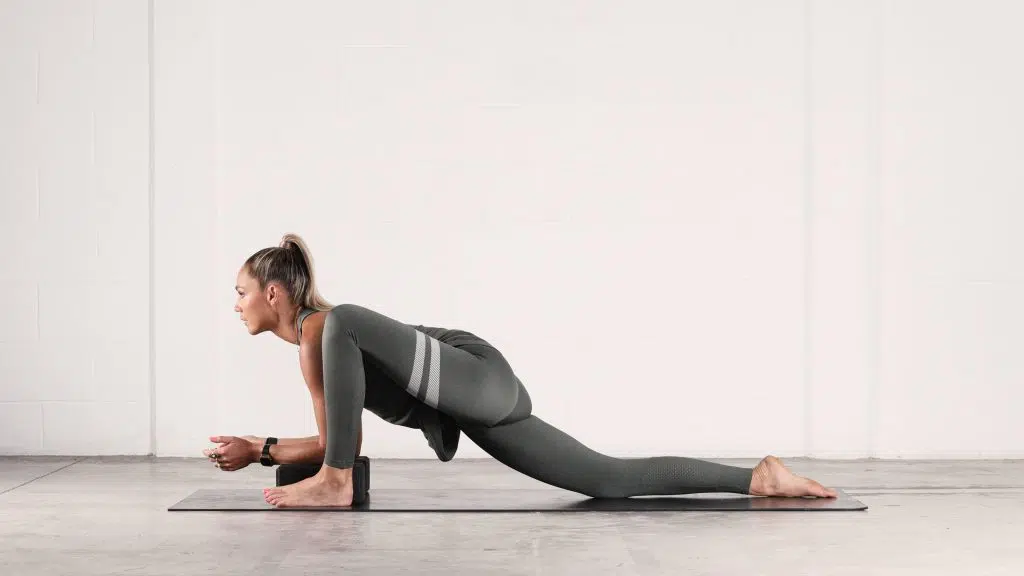
Flexibility is often misunderstood. Many people think they need to stretch harder to become more flexible, but the body does not always respond well to force. Sometimes it needs time, support, and patient pressure. This is why yin yoga can be useful for adults who want better mobility and recovery without aggressive stretching.
Yin Yoga uses longer-held postures, usually close to the floor. Instead of moving quickly from one pose to another, students settle into a position and stay there with steady breathing. This creates a different kind of movement experience. The body has time to respond, the mind has time to observe, and the student learns how to work with sensation rather than fight it.
Why Mobility Needs Patience
Mobility is not only about stretching muscles. It involves joints, connective tissues, nervous system response, strength, and control. A person can stretch often and still feel stiff if the body does not feel safe in the range.
Many adults lose mobility because their daily movement is limited. Sitting keeps the hips bent. Screen use stiffens the upper back. Stress tightens the shoulders and jaw. Commuting and desk work reduce spinal movement.
Yin Yoga gives these restricted areas time to open gradually. It does not rush the body through movement. It allows the student to stay, breathe, and notice.
What Fascia Has to Do With Stiffness
Fascia is connective tissue that surrounds and supports muscles, joints, and organs. When movement is limited or repetitive, the body can feel restricted and sticky. Yin Yoga is often discussed in relation to fascia because its longer holds may influence how connective tissue responds to gentle stress.
This does not mean every tight area is simply a fascia problem. Stiffness can also involve muscles, joints, habits, and nervous system tension. But longer-held, gentle postures can provide a useful way to explore deeper restriction.
The key is controlled pressure, not force.
Why Yin Yoga Is Different From Regular Stretching
Regular stretching often lasts a short time and may focus on muscles. Yin Yoga holds are usually longer and quieter. The student is encouraged to relax unnecessary muscular effort and let the posture work slowly.
This makes the experience different. Instead of pulling aggressively, the student learns to find an appropriate edge. The edge is the place where sensation is clear but manageable.
If the pose becomes painful, the student adjusts. Props, blankets, blocks, or reduced range can make the practice safer and more comfortable.
Joint Mobility Without Pushing Too Far
Yin Yoga can support joint mobility, especially around the hips, pelvis, spine, and shoulders. But joints need respect. A deep shape is not automatically better.
Students should avoid forcing knees, hips, shoulders, or the lower back. The sensation should not feel sharp or unstable. A teacher can help students understand whether they are feeling a useful stretch or compressing a joint.
This is important because Yin Yoga can look passive, but long holds still create stress on tissues. Proper setup matters.
Recovery for Active People
People who train hard often need slower recovery practices. Running, strength training, cycling, sports, and intense yoga can build fitness, but they can also create tightness and fatigue.
Yin Yoga gives active people a way to balance effort with release. It can help them slow down, breathe, and notice areas that need attention. It may also support mental recovery because the practice is quiet and non-competitive.
Recovery is not laziness. It is part of progress.
Recovery for Desk Workers
Desk workers also need recovery, even if they are not doing intense exercise. Sitting for long hours can make the hips, back, and neck feel restricted. Mental stress can increase physical tension.
Yin Yoga can help desk workers by targeting common areas of stiffness. Hip openers, gentle spinal positions, supported forward folds, and shoulder-releasing shapes can all help the body feel less compressed.
The slower pace makes it suitable for people who are tired after work but still need movement.
Breath Helps the Body Trust the Pose
Breath is one of the most important tools in Yin Yoga. If the breath becomes tight, the pose may be too intense. If the breath stays steady, the body may gradually soften.
Breathing also helps the nervous system understand that the position is not a threat. When the nervous system feels safe, the body often releases more naturally.
This is why forcing flexibility is not the goal. The body opens better when it feels supported.
Why Props Improve the Practice
Props are not signs of weakness. They are tools for better practice. A block, bolster, blanket, or cushion can reduce strain and help the student stay in a pose without gripping.
For example, support under the knees can protect the lower back in forward folds. A bolster under the chest can make a pose more calming. A blanket under the hips can make seated positions more comfortable.
Good prop use helps the student stay longer without forcing.
Progress Looks Different in Yin Yoga
Progress in Yin Yoga may not look dramatic. It may show up as less resistance, calmer breathing, more comfort in stillness, better sleep, or less stiffness after sitting.
Students should avoid measuring progress only by how deep they go. A safer, calmer, more sustainable practice is progress too.
The real benefit is learning how the body responds over time.
A Gentle But Serious Practice
Yin Yoga may look soft, but it is not empty. It requires attention, patience, and honesty. Students must listen closely and avoid ego-driven stretching.
For people in Singapore who want better mobility, joint awareness, recovery, and a slower relationship with movement, Yoga Edition can support a Yin Yoga practice that respects the body’s pace and long-term wellbeing.
FAQs
Why do I feel sensation near a joint instead of the muscle?
That may mean the pose needs adjustment. Sensation near a joint can sometimes be compression or strain. Come out slightly, use props, or ask the teacher to check your setup.
Can Yin Yoga help if I lift weights regularly?
Yes, it can support recovery and mobility, but avoid doing very deep holds immediately after heavy training if your muscles are already fatigued. Choose moderate intensity and focus on breath.
Is it normal to feel one side much tighter than the other?
Yes, side differences are common. Do not force the tighter side to match the other. Give it support and time, and let the teacher know if the difference feels linked to pain or injury.

