
Introduction
Urban kitchens face unique challenges that make proper ventilation more important than ever. In densely populated cities, kitchens are often built into compact apartments, condominiums, and mixed-use buildings where airflow can be limited. Cooking odors, smoke, moisture, grease particles, and indoor pollutants can quickly accumulate in small spaces, affecting comfort, air quality, and even long-term health.
Modern urban living has also changed the way kitchens are designed. Open-concept layouts, energy-efficient construction, and smaller floor plans have increased the need for smarter ventilation strategies. Homeowners, architects, and interior designers now prioritize kitchen ventilation not only for functionality but also for sustainability, aesthetics, and indoor wellness.
A well-designed kitchen ventilation system removes contaminants, regulates humidity, improves airflow, and creates a healthier indoor environment. Whether designing a new kitchen or upgrading an existing one, understanding the right ventilation methods can dramatically improve both performance and comfort.
Why Kitchen Ventilation Matters in Urban Homes
Kitchen ventilation is often underestimated until problems begin to appear. Poor airflow can lead to lingering smells, excess heat, mold growth, and unhealthy indoor air conditions.
Common Indoor Air Pollutants in Kitchens
Urban kitchens generate several airborne pollutants during daily cooking activities, including:
- Smoke from frying and grilling
- Grease particles
- Carbon monoxide from gas stoves
- Nitrogen dioxide
- Steam and excess moisture
- Food odors
- Fine particulate matter
In compact city apartments, these pollutants can spread quickly into living spaces if ventilation is inadequate.
Health and Comfort Benefits
An efficient ventilation system offers several benefits:
- Improves indoor air quality
- Reduces respiratory irritants
- Controls humidity and condensation
- Prevents mold and mildew growth
- Keeps kitchen surfaces cleaner
- Enhances overall comfort
- Protects cabinetry and finishes from grease buildup
For households that cook frequently, ventilation becomes a critical component of healthy indoor living.
Understanding the Basics of Kitchen Ventilation
Before selecting a ventilation strategy, it is important to understand how kitchen airflow systems work.
Exhaust Ventilation
Exhaust ventilation removes polluted indoor air and pushes it outside the building. This is the most effective method for controlling smoke, odors, and moisture.
Recirculating Ventilation
Recirculating systems filter indoor air and return it back into the kitchen. These systems typically use charcoal and grease filters. While easier to install, they are generally less effective than external exhaust systems.
Make-Up Air
When large amounts of air are exhausted from a kitchen, fresh air must replace it. This replacement air is known as make-up air. Without balanced airflow, kitchens can experience negative pressure, which affects HVAC performance and indoor comfort.
Key Ventilation Design Strategies for Urban Kitchens
Choose the Right Range Hood
The range hood is the centerpiece of kitchen ventilation. Selecting the right type significantly impacts airflow efficiency.
Wall-Mounted Range Hoods
Wall-mounted hoods are ideal for kitchens where the cooking range is installed against a wall. These hoods provide strong extraction capabilities and are available in both modern and traditional styles.
Under-Cabinet Range Hoods
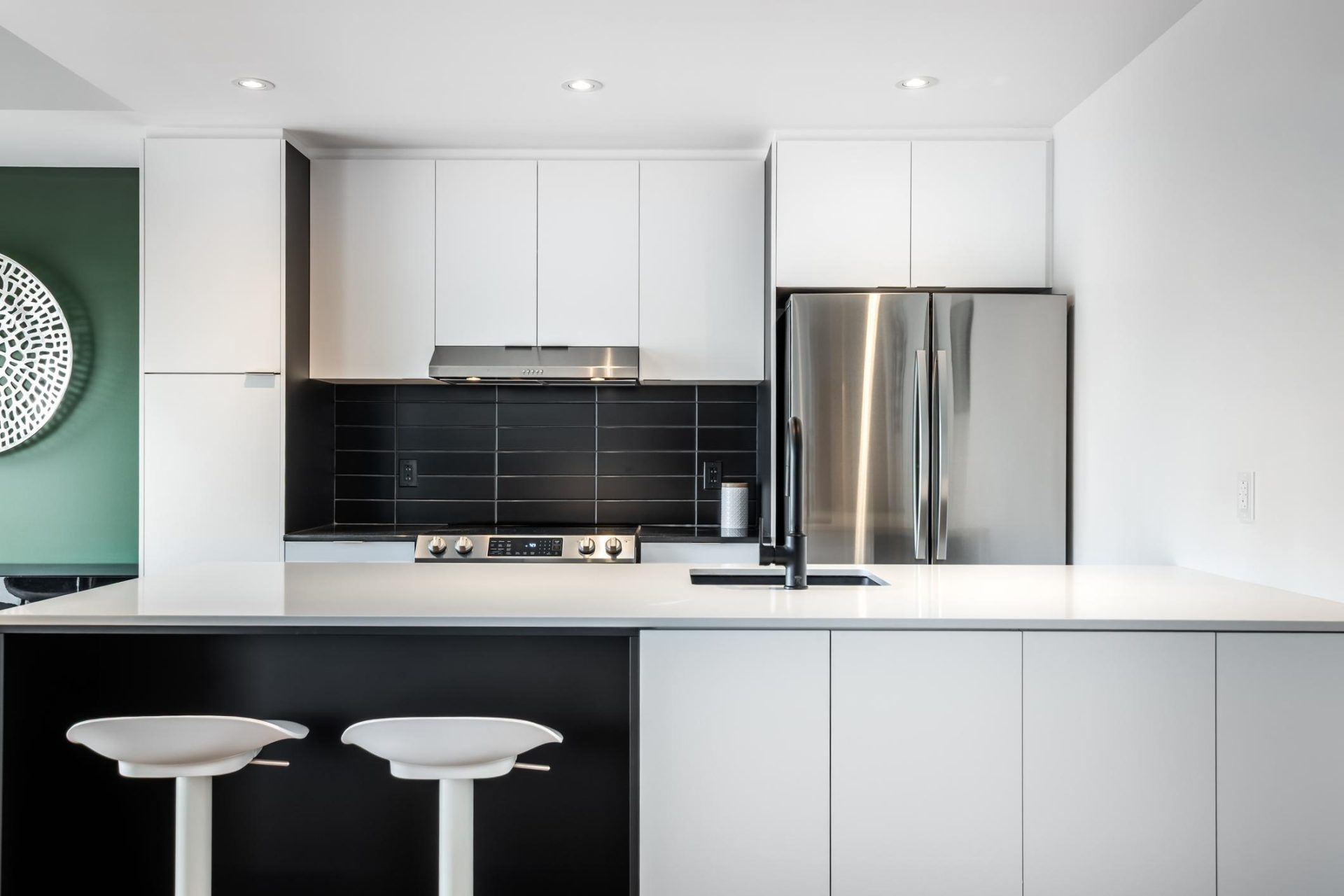
Under-cabinet hoods are common in small urban kitchens because they save space while still offering effective ventilation.
Island Range Hoods
For open-concept kitchens with central cooking islands, island hoods provide overhead extraction while maintaining visual balance.
Downdraft Ventilation Systems
Downdraft systems pull air downward through vents near the cooktop. These systems are useful when overhead hoods are impractical, although they may not perform as effectively with heavy smoke.
Prioritize Proper Airflow Capacity
Ventilation systems should be sized correctly based on kitchen dimensions and cooking habits.
Airflow is measured in cubic feet per minute, commonly known as CFM. Kitchens with heavy cooking activity require higher CFM ratings.
General recommendations include:
- Small kitchens: 150 to 300 CFM
- Medium kitchens: 300 to 600 CFM
- High-performance kitchens: 600 to 1200 CFM
Undersized systems struggle to remove pollutants effectively, while oversized systems may create unnecessary noise and energy use.
Optimize Ductwork Design
Even the best range hood can perform poorly if the ductwork is improperly designed.
Keep Duct Runs Short
Shorter duct paths reduce airflow resistance and improve extraction efficiency.
Minimize Sharp Turns
Excessive bends slow airflow and increase noise. Smooth, gradual turns improve system performance.
Use Proper Duct Sizing
Narrow ducts restrict airflow. Duct diameter should match the ventilation unit specifications.
Vent Outdoors Whenever Possible
External venting provides significantly better air removal than recirculating systems.
Smart Ventilation Solutions for Compact Kitchens
Urban kitchens often have limited square footage, requiring space-efficient ventilation designs.
Integrated Ventilation Systems
Integrated systems combine ventilation with cabinetry or appliances for a streamlined appearance.
Popular options include:
- Built-in range hoods
- Microwave hood combinations
- Ceiling-integrated extractors
- Retractable downdraft units
These solutions help maximize storage and maintain a minimalist aesthetic.
Quiet Ventilation Technology
Noise is a major concern in small apartments and open-plan living spaces.
Modern systems now feature:
- Variable fan speeds
- Sound-insulated motors
- Remote blower installations
- Low-sone operation
Quiet systems encourage more consistent use because homeowners are less likely to avoid turning them on.
Energy-Efficient Ventilation
Energy-efficient kitchens are increasingly important in urban developments.
Look for ventilation systems with:
- Energy Star certification
- LED lighting
- Brushless motors
- Smart airflow sensors
- Programmable timers
Efficient systems lower electricity usage while maintaining strong airflow performance.
Ventilation Strategies for Open-Concept Urban Kitchens
Open-concept layouts are common in modern apartments and condominiums. However, these layouts create additional ventilation challenges because cooking pollutants can spread throughout the home.
Use High-Capture Range Hoods
Capture efficiency refers to how effectively a hood traps airborne contaminants before they escape.
Deep-canopy hoods with larger coverage areas provide better capture performance in open kitchens.
Increase Extraction Coverage
The hood should extend slightly beyond the edges of the cooktop to improve pollutant collection.
Coordinate HVAC and Kitchen Ventilation
Urban residences often rely on centralized HVAC systems. Coordinating airflow between the kitchen and HVAC system helps maintain balanced air pressure and temperature control.
The Role of Natural Ventilation
Natural ventilation remains an important strategy, especially in mild climates.
Window Placement
Strategically placed windows improve cross-ventilation and help release heat and odors naturally.
Cross Ventilation Design
Cross ventilation occurs when air enters through one opening and exits through another. This approach improves fresh air circulation without mechanical systems.
Combining Natural and Mechanical Ventilation
The most effective urban kitchens often combine both approaches:
- Mechanical systems handle heavy cooking pollutants
- Natural airflow provides supplemental fresh air
- Hybrid systems reduce energy consumption
Moisture and Humidity Control
Cooking generates significant moisture, especially during boiling and steaming.
Excess humidity can lead to:
- Mold growth
- Peeling paint
- Warped cabinetry
- Condensation on windows
- Indoor discomfort
Use Ventilation During and After Cooking
Running the ventilation system before cooking starts and continuing afterward helps remove moisture more effectively.
Install Humidity Sensors
Smart ventilation systems with humidity sensors automatically adjust airflow levels when moisture increases.
Maintain Proper Indoor Humidity Levels
Indoor humidity should generally remain between 30 percent and 50 percent for optimal comfort and mold prevention.
Sustainable Ventilation Design Trends
Sustainability is influencing modern kitchen ventilation design.
Demand-Control Ventilation
Demand-control systems adjust airflow automatically based on cooking intensity, reducing unnecessary energy use.
Heat Recovery Ventilation
Heat recovery systems transfer heat from outgoing air to incoming fresh air, improving energy efficiency during colder seasons.
Eco-Friendly Materials
Manufacturers increasingly use recyclable metals, low-emission components, and environmentally friendly filters.
Maintenance Tips for Long-Term Performance
Even the best-designed system requires regular maintenance.
Clean Grease Filters Regularly
Grease filters should be cleaned every one to three months depending on cooking frequency.
Replace Charcoal Filters
Recirculating systems require periodic charcoal filter replacement to maintain odor removal performance.
Inspect Ductwork
Ducts should be checked periodically for grease buildup, leaks, or blockages.
Test Airflow Performance
Weak airflow may indicate clogged filters, motor issues, or duct restrictions.
Consistent maintenance extends equipment lifespan and preserves indoor air quality.
Common Ventilation Mistakes in Urban Kitchens
Avoiding common design mistakes can significantly improve performance.
Installing Undersized Hoods
Small hoods may fail to capture smoke and grease effectively.
Ignoring Noise Levels
Excessively loud systems discourage daily use.
Poor Hood Placement
Incorrect mounting height reduces capture efficiency.
Using Recirculating Systems Exclusively
Recirculating systems should only be used when external venting is impossible.
Neglecting Air Balance
Improper airflow balance can create pressure problems throughout the home.
Future Innovations in Urban Kitchen Ventilation
Technology continues to reshape kitchen ventilation systems.
Emerging innovations include:
- AI-powered airflow adjustment
- Smart home integration
- App-controlled ventilation systems
- Air quality monitoring sensors
- Automated maintenance alerts
- Advanced filtration technologies
As urban living spaces continue to evolve, ventilation systems will become increasingly intelligent, efficient, and adaptable.
Conclusion
Ventilation design plays a crucial role in creating healthy, comfortable, and efficient urban kitchens. In modern city homes where space is limited and air circulation can be challenging, proper ventilation is no longer optional. It directly impacts indoor air quality, moisture control, cooking comfort, and long-term property maintenance.
The most effective urban kitchen ventilation strategies combine properly sized range hoods, efficient ductwork, balanced airflow, noise reduction, and energy-efficient technology. Integrating natural ventilation and smart controls further enhances performance while supporting sustainable living.
Whether designing a compact apartment kitchen or upgrading a luxury urban condominium, thoughtful ventilation planning helps create a cleaner and more enjoyable cooking environment. As technology advances, future ventilation systems will continue to improve indoor comfort while reducing environmental impact.
FAQ Section
1. What is the best type of ventilation system for small urban kitchens?
External exhaust systems with under-cabinet range hoods are often the best choice for small urban kitchens because they provide effective pollutant removal while saving space.
2. How often should kitchen ventilation filters be cleaned?
Grease filters should generally be cleaned every one to three months, depending on cooking frequency and the type of food prepared.
3. Are recirculating range hoods effective?
Recirculating range hoods can help reduce odors and grease particles, but they are typically less effective than systems that vent air outdoors.
4. Why is kitchen ventilation important in apartments?
Apartment kitchens usually have limited airflow and compact layouts, making ventilation essential for removing smoke, odors, moisture, and indoor pollutants.
5. How can I reduce kitchen ventilation noise?
Choosing low-sone ventilation systems, using insulated ductwork, and installing remote blowers can significantly reduce operational noise.
6. What size range hood is ideal for urban kitchens?
The ideal size depends on the cooktop dimensions and cooking habits, but the hood should generally be at least as wide as the cooking surface.
7. Can natural ventilation replace mechanical kitchen ventilation?
Natural ventilation can improve airflow, but mechanical systems are still necessary for effectively removing grease, smoke, and airborne pollutants generated during cooking.

