
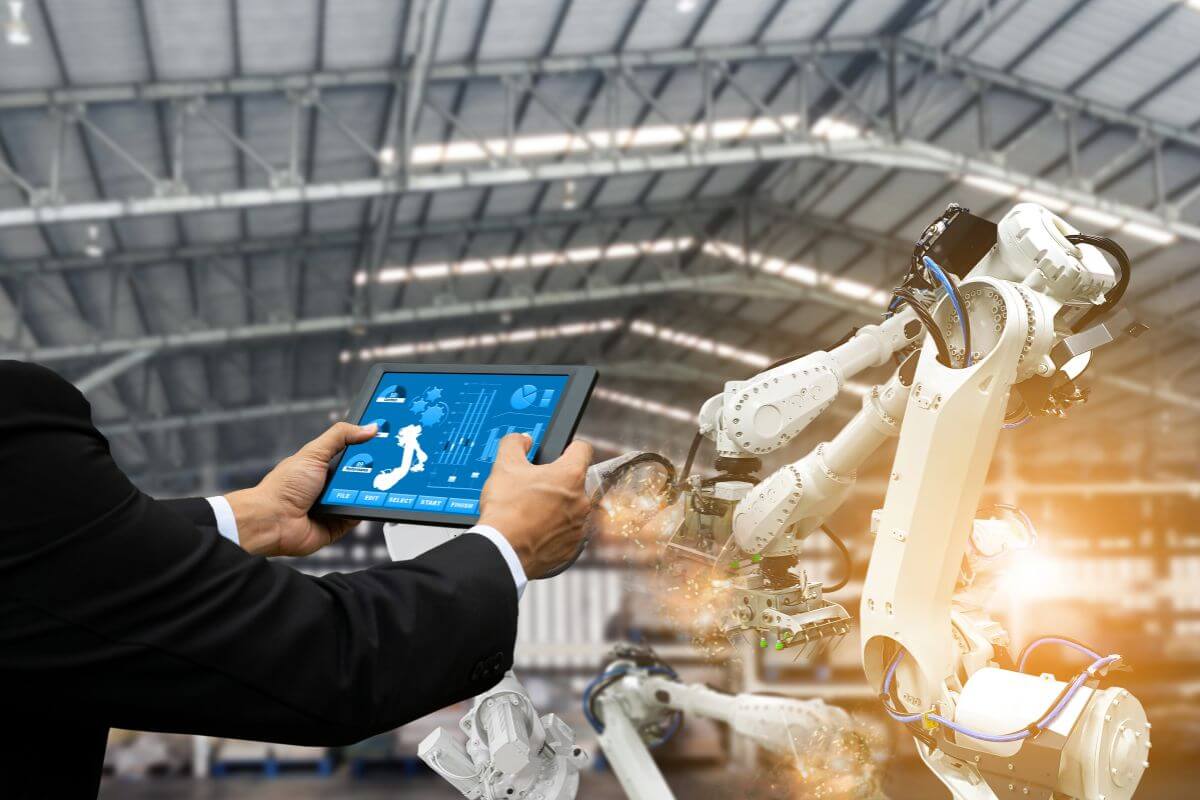
Manufacturing and production sectors are continuously evolving. To remain competitive, businesses must find ways to enhance efficiency and output. Industrial automation presents a powerful way to achieve these goals, transforming factory floors and assembly lines. This technology involves using control systems, such as computers or robots, and information technologies to handle different processes and machinery in an industry to replace a human being.
The adoption of automated industrial solutions is growing globally, and Thailand is part of this significant shift. Local industries are beginning to integrate robotics and advanced machinery to improve their operations. This move helps companies increase production speed, reduce errors, and create a safer working environment for employees. It allows for a higher degree of precision that can be difficult to maintain with manual labour alone.
By implementing these advanced systems, Thai businesses can better compete on an international stage. The focus is on smart factories where machines communicate with each other to optimise workflows. This integration leads to substantial gains in productivity and helps manage resources more effectively, from raw materials to energy consumption.
Enhancing Operational Efficiency
One of the primary benefits of industrial automation is the dramatic improvement in operational efficiency. Automated systems can operate continuously, 24 hours a day, seven days a week, without breaks or fatigue. This constant operation significantly increases production capacity. For industries in Thailand, such as automotive manufacturing and electronics assembly, this means faster turnaround times and the ability to meet high-volume demand.
Automation also reduces the chance of human error. Repetitive tasks can lead to mistakes, which can be costly in terms of wasted materials and defective products. Machines perform tasks with consistent accuracy, ensuring a higher quality standard for finished goods. This consistency is vital for industries that require strict quality control, contributing to a stronger brand reputation.
Creating Safer Work Environments
Worker safety is a major concern in any industrial setting. Many manufacturing processes involve tasks that are hazardous, physically demanding, or performed in difficult conditions. Automation can take over these dangerous jobs, protecting human workers from potential harm. Robots can handle heavy lifting, work with hazardous materials, or operate in extreme temperatures.
In the context of Thailand’s growing industrial base, creating safer workplaces is a priority. By assigning dangerous tasks to machines, companies can reduce workplace accidents and improve employee well-being. This allows human workers to move into roles that require problem-solving, oversight, and creativity—areas where human intellect excels. The result is a more secure and fulfilling work environment for the workforce.
The Future of Thai Industry
The push towards industrial automation is reshaping Thailand’s economic future. As part of the Thailand 4.0 initiative, the government encourages the adoption of modern technology to drive economic growth. Automation is a central part of this vision, helping to build a value-based economy focused on innovation and technology.
For local businesses, investing in automation is a strategic decision for long-term growth. It enhances productivity, improves product quality, and ensures a safer environment for workers. As technology continues to advance, the possibilities for industrial automation will expand, offering even greater benefits for Thailand’s industrial sector. This transition prepares the nation for the next wave of global manufacturing.

